


21
2026/09/
Technical Sharing
2026/09/21
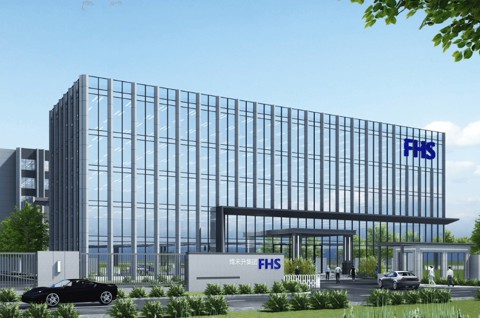
Cross-border delivery of high-volume industrial machinery demands more than shipping containers and overseas field technicians. Across sectors like EV battery assembly, medical devices, and power electronics, deploying complex assembly lines overseas presents intricate mechanical, regulatory, and electrical synchronization challenges.
21
2026/09/
Technical Sharing
2026/09/21
High-volume manufacturing lines face an ongoing battle against dimensional variance, micro-defects, and material inconsistencies. As component geometries grow increasingly complex across e-mobility, electronics, and energy storage sectors, relying on traditional spot-checks often allows costly defects to slip through to final assembly. Factory managers now turn to advanced industrial automation solutions to catch micro-variations early, stabilizing output without sacrificing line speed. Achieving true zero-defect output requires a fundamental shift toward continuous, automated quality control.

21
2026/09/
Technical Sharing
2026/09/21
A factory purchase can look economical on paper while becoming expensive after installation. Equipment price is only one part of the financial picture; maintenance, labor, changeovers, floor space, downtime, energy use, and future upgrades can gradually reshape the actual cost of ownership.
21
2026/09/
Technical Sharing
2026/09/21
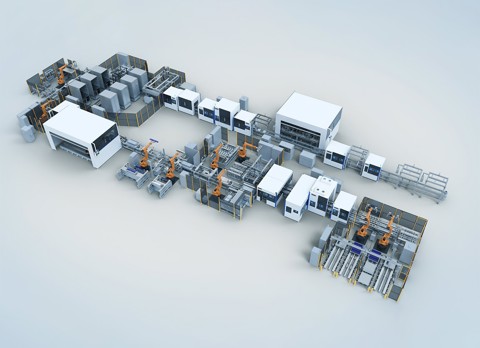
A modern production line is no longer defined simply by machines repeating the same physical motion. It is a coordinated environment in which material handling, process control, inspection, data collection, and equipment communication have to work together.
01
2026/09/
Company News
2026/09/01
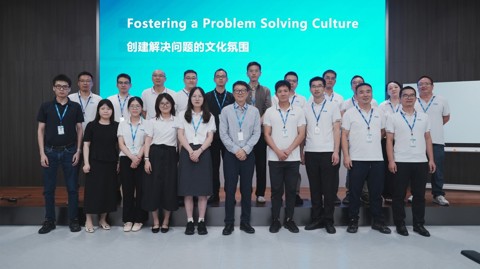
Problem-solving ability is a key measure of managerial maturity and a foundational capability that enables an organization to navigate change and achieve high-quality growth. Twenty-one managers from FHS Group’s business divisions brought real challenges from the front line of their operations to a two-day training program dedicated to problem solving. Working in three teams, they completed an end-to-end learning cycle—from methodology and hands-on analysis to concrete action plans.