


22
2026/09/
Technical Sharing
2026/09/22
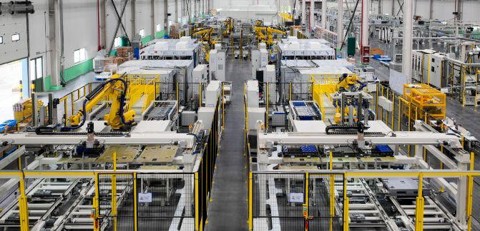
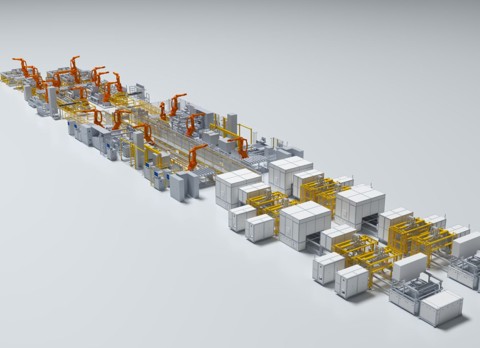
An automated manufacturing system is more than a robot, conveyor, or automated machine. A complete system combines production equipment, industrial control, material handling, inspection, software, and system integration to keep manufacturing processes coordinated and traceable.
22
2026/09/
Technical Sharing
2026/09/22
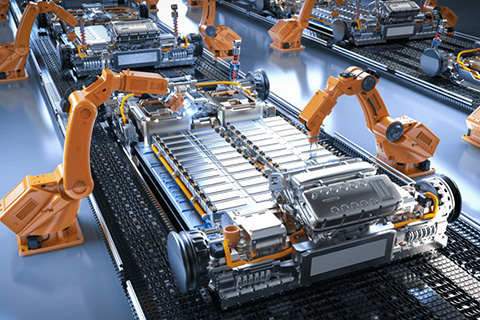
Smart factory and Smart Manufacturing are often used as if they mean the same thing, but they describe different levels of manufacturing transformation. Smart manufacturing is the broader, connected and data-driven approach to improving manufacturing systems, while a smart factory is the factory-level environment where that approach is implemented.
21
2026/09/
Technical Sharing
2026/09/21
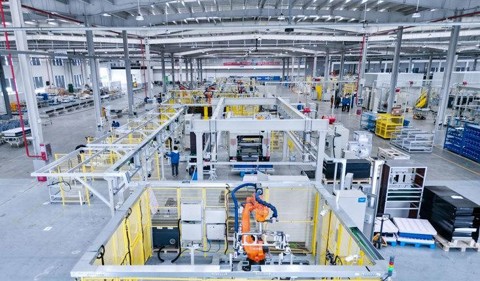
Manufacturers are under constant pressure to produce more while controlling labor costs, shortening delivery times, supporting more product variants, and maintaining consistent quality. These pressures make productivity a system-level challenge rather than a simple question of how quickly one machine can operate.
21
2026/09/
Technical Sharing
2026/09/21
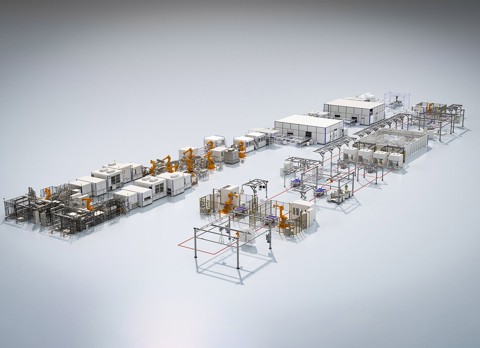
The price of production equipment is easy to see; the cost of inconsistent output, difficult changeovers, manual inspection, and limited traceability is much harder to quantify. That distinction matters when manufacturers evaluate battery cell manufacturing equipment for a new line or capacity expansion.
21
2026/09/
Technical Sharing
2026/09/21
Long, flat battery cells have changed the way engineers think about pack architecture. Rather than treating every cell as a small unit that must first be grouped into conventional modules, a blade-style design can use elongated cells arranged efficiently within the pack structure. BYD describes its Blade Battery as an LFP-based design with a long, flat form factor and a honeycomb-like structural arrangement, emphasizing packaging efficiency and mechanical strength.