


21
2026/09/
Technical Sharing
2026/09/21
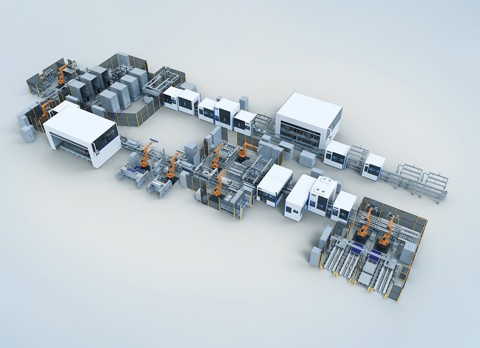
Global demand for high-capacity energy storage systems forces industrial facilities to optimize cell handling and structural joining. Microscopic dimensional variations in heavy enclosure walls or electrical contact tabs can induce thermal bottlenecks, elevating long-term operational risks.
21
2026/09/
Technical Sharing
2026/09/21
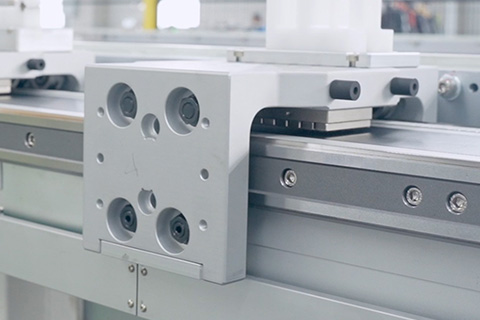
Continuous operation of heavy industrial conveyors consumes immense electrical energy across automated production plants. Standard friction-based belts, chain loops, and rotary roller beds rely on constant mechanical contact, dissipating substantial power as heat while fighting mechanical drag. Modern plant managers seeking lower carbon footprints and reduced operating costs increasingly investigate dynamic high-speed linear transfer systems to optimize shopfloor power consumption.
21
2026/09/
Technical Sharing
2026/09/21
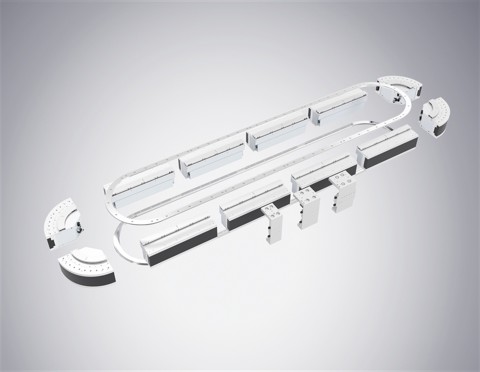
Accelerating throughput demands on high-volume factory floors frequently exposes the mechanical limitations of traditional friction-driven belts and roller tracks. High-speed transfers typically induce sudden inertia changes, vibration spikes, and physical wear, which risk fracturing delicate electrical contacts or scratching polished housings.
21
2026/09/
Technical Sharing
2026/09/21
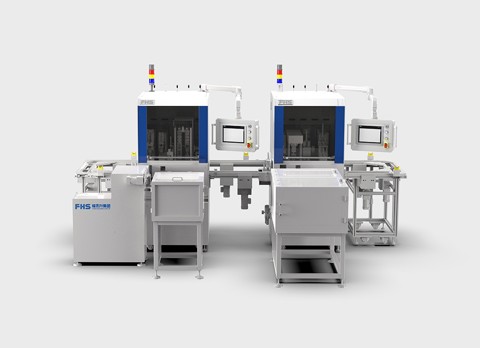
Operating commercial assembly lines around the clock introduces physical operational challenges, particularly when manual human variance shifts cycle times and assembly force metrics between day and night rotations. In modern medical manufacturing plants, subtle deviations in operator technique during component placement or adhesive application risk compromising sterile fluid paths or structural sealing integrity.

21
2026/09/
Technical Sharing
2026/09/21
Contamination control within healthcare manufacturing spaces requires holistic design strategies that go far beyond placing standard machinery inside filtered rooms. Suspended airborne particulates, mechanical friction debris, and microbial buildup jeopardize sterile device integrity, turning minor environmental fluctuations into significant compliance hazards.