


21
2026/09/
Technical Sharing
2026/09/21
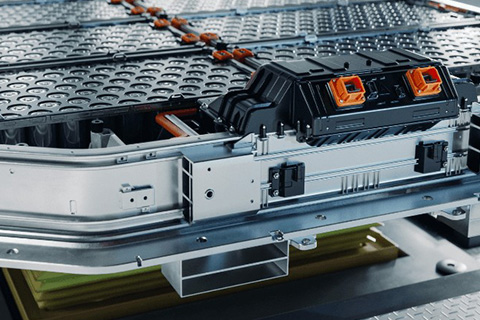
Consistency in battery production is built through hundreds of small decisions made repeatedly across a production line. Component positioning, process timing, equipment parameters, material transfer, inspection, and changeover procedures can all affect whether one batch performs like the next. As production volumes increase, relying on individual adjustments becomes increasingly difficult to manage.
21
2026/09/
Technical Sharing
2026/09/21
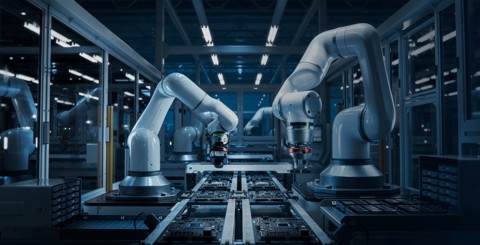
Battery manufacturing has become a tightly controlled production discipline in which small process variations can influence electrical performance, safety, yield, and traceability. As cell and motor-related components become more sophisticated, factories need coordinated equipment rather than isolated machines performing individual tasks.
21
2026/09/
Technical Sharing
2026/09/21
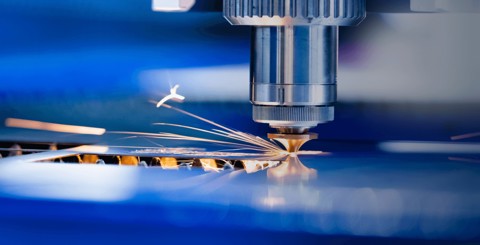
Consistency in battery manufacturing is rarely determined by a single welding parameter. Material condition, joint geometry, positioning accuracy, laser behavior, inspection methods, and process timing can all influence the final connection. A production team may therefore see differences between shifts even though operators follow the same instructions.

21
2026/09/
Technical Sharing
2026/09/21
A production line rarely depends on one type of machine or one control method. A sensor may detect a workpiece, a PLC may interpret the signal, a motor drive may adjust movement, and a motion controller may coordinate several axes within milliseconds. Once these elements interact, the behavior of the line changes considerably.

21
2026/09/
Technical Sharing
2026/09/21
Cross-border delivery of high-volume industrial machinery demands more than shipping containers and overseas field technicians. Across sectors like EV battery assembly, medical devices, and power electronics, deploying complex assembly lines overseas presents intricate mechanical, regulatory, and electrical synchronization challenges.