


26
2026/10/
Technical Sharing
2026/10/26
Lithium-ion battery manufacturing is a chain of controlled operations, not a single assembly task. Performance and safety can be affected by uneven coatings, damaged electrode edges, moisture during assembly, or incomplete formation records. Manufacturers need to make each step repeatable while aligning equipment, material flow, and quality data.

26
2026/10/
Technical Sharing
2026/10/26
Automotive manufacturers need assembly processes that can repeat precise operations, detect defects early, and adapt when component designs change. Automotive automation brings robots, fixtures, material handling, sensors, and test equipment into a coordinated production process.
22
2026/09/
Technical Sharing
2026/09/22
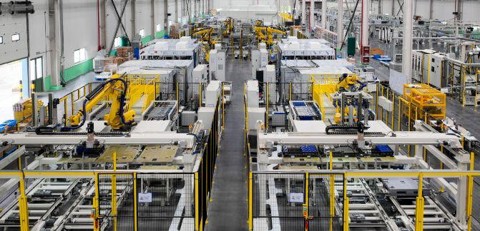
An automated manufacturing system is more than a robot, conveyor, or automated machine. A complete system combines production equipment, industrial control, material handling, inspection, software, and system integration to keep manufacturing processes coordinated and traceable.
22
2026/09/
Technical Sharing
2026/09/22
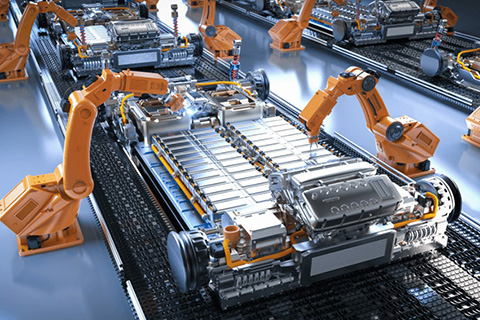
Smart factory and Smart Manufacturing are often used as if they mean the same thing, but they describe different levels of manufacturing transformation. Smart manufacturing is the broader, connected and data-driven approach to improving manufacturing systems, while a smart factory is the factory-level environment where that approach is implemented.
21
2026/09/
Technical Sharing
2026/09/21
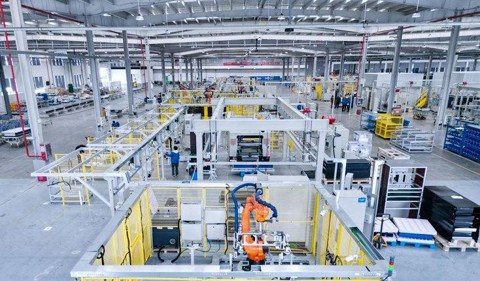
Manufacturers are under constant pressure to produce more while controlling labor costs, shortening delivery times, supporting more product variants, and maintaining consistent quality. These pressures make productivity a system-level challenge rather than a simple question of how quickly one machine can operate.