


21
2026/09/
Technical Sharing
2026/09/21
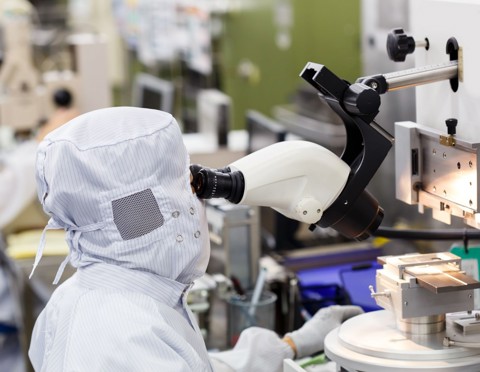
Micro-scale healthcare components—such as drug delivery catheters, implantable sensors, and delicate surgical valves—demand spatial positioning metrics that far exceed standard manufacturing tolerances. Manual handling of these miniature parts frequently leads to component deformation, particulate contamination, and subtle assembly misalignment.

21
2026/09/
Technical Sharing
2026/09/21
Industrial grid operators and residential clean energy providers demand unprecedented levels of reliability, long cycle life, and absolute operational safety from modern power banks. Meeting these rigorous thermal and mechanical specifications means factory floors must eliminate subtle assembly variances during high-volume production runs.
21
2026/09/
Technical Sharing
2026/09/21
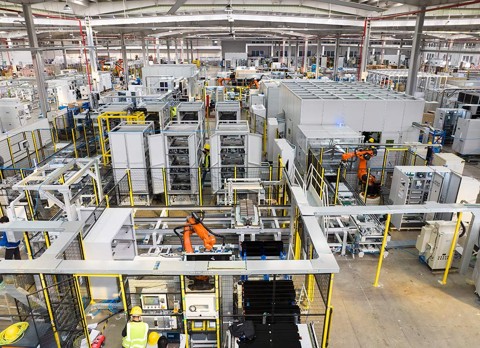
Cell chemistry breakthroughs often grab headlines, yet physical shopfloor orchestration quiet dictates whether gigafactories achieve sustainable yields. Misalignment between adjacent mechanical stations creates bottlenecks, elevates cell scrap rates, and destabilizes thermal integrity across packed enclosures.
21
2026/09/
Technical Sharing
2026/09/21
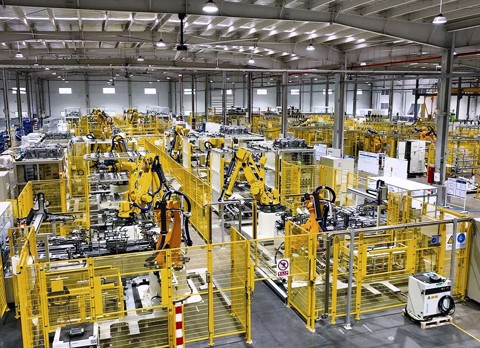
A battery’s performance over time is influenced by much more than the chemistry inside its cells. Manufacturing conditions determine how accurately components are positioned, how consistently materials are joined, how defects are detected, and how tightly each process is controlled. For this reason, battery manufacturing automation has become an important part of discussions about long-term battery quality.
21
2026/09/
Technical Sharing
2026/09/21
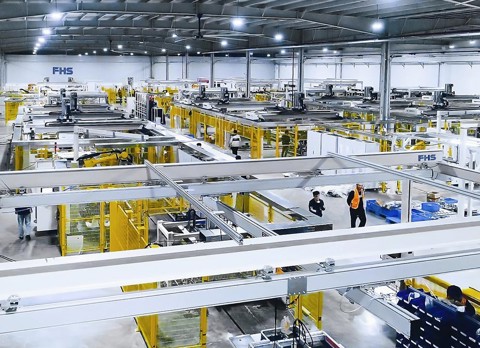
There is no single formula for building a strong battery production line. Cell format, product architecture, output targets, quality requirements, factory layout, and future model changes all influence the equipment and control strategy that make sense. For manufacturers comparing battery manufacturing automation, the more useful question is not which system sounds most advanced, but which solution can coordinate production processes, maintain stable operation, support traceability, and adapt to changing requirements. From our experience at FHS, practical automation begins with understanding the production challenge before deciding which technologies belong on the line.