Technical Sharing
2026/09/21
How Medical Device Assembly Automation Supports Cleanroom Manufacturing
21
2026/09/
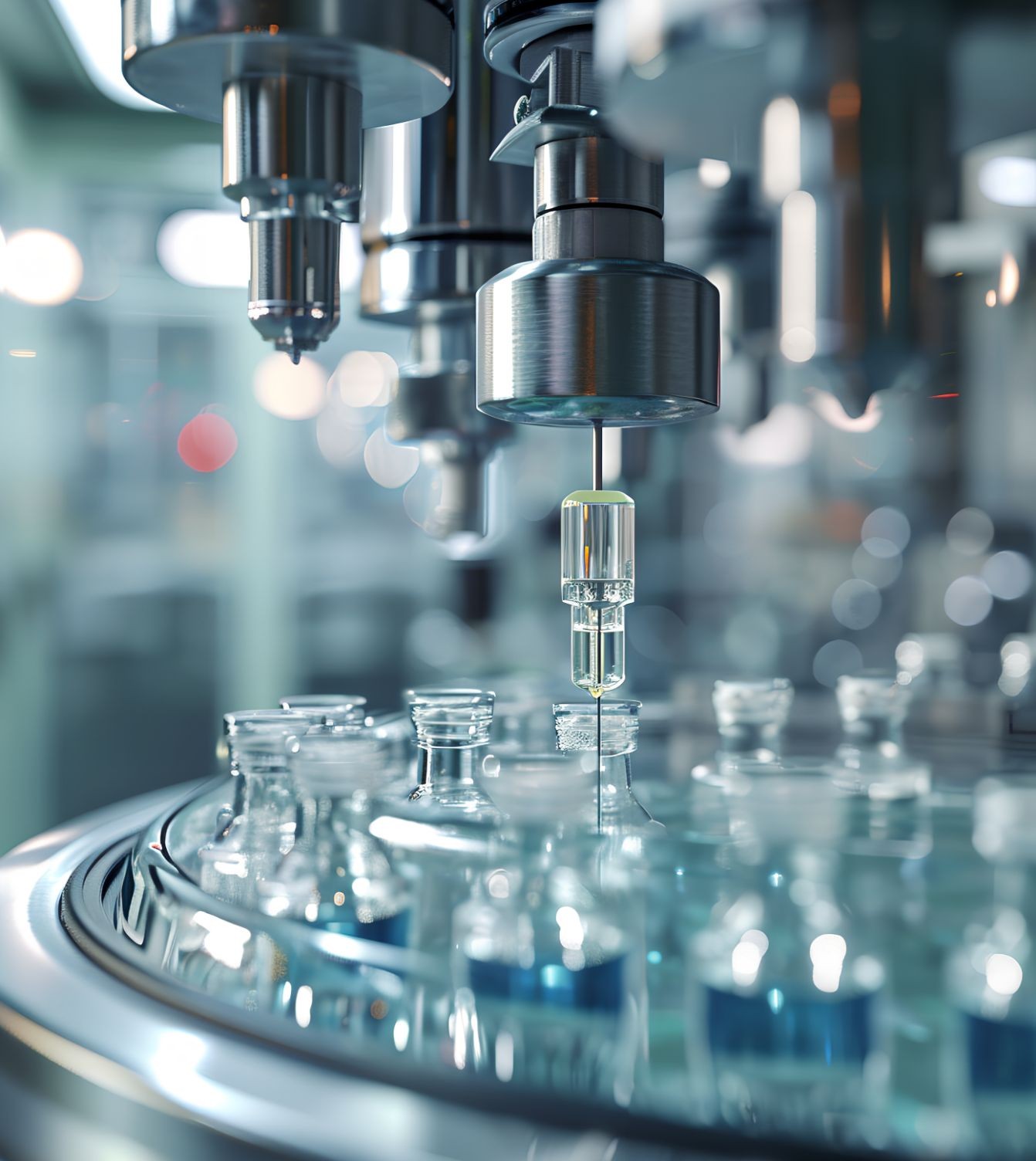
Contamination control within healthcare manufacturing spaces requires holistic design strategies that go far beyond placing standard machinery inside filtered rooms. Suspended airborne particulates, mechanical friction debris, and microbial buildup jeopardize sterile device integrity, turning minor environmental fluctuations into significant compliance hazards. Modern medical manufacturing operations heavily rely on specialized medical device assembly automation to prevent human contact with sensitive fluid pathways and micro-scale components. Our engineering specialists at FHS build cleanroom-ready production platforms that sustain low particle counts across multi-shift operational cycles.
Kinematic Design and Mechanical Wear Suppression
Frictional contact between moving mechanical parts represents a primary source of particulate contamination in controlled processing environments. Standard ball screws, open linear guides, and pneumatic actuators shed microscopic metallic debris as their contact surfaces experience continuous load cycles. Enclosed direct-drive linear motors replace traditional gearboxes, preventing particulate shedding while providing sub-micron positioning accuracy.
Selecting suitable surface treatments protects internal linkages from ambient friction wear and harsh chemical exposure. Structural aluminum sub-frames treated with hard-coat anodization resist flaking during high-frequency reciprocating motion. Utilizing smooth, sealed actuator housings keeps mechanical abrasion particles locked away from exposed product paths.
Laminar Airflow Compatibility and Aerodynamic Profiling
Disrupting smooth laminar airflow inside cleanrooms creates localized turbulence zones where airborne dust particles remain trapped near sensitive workpieces. Flat, bulky machine frames act as physical barriers, deflecting vertical clean air streams away from critical assembly zones. Slender, aerodynamically tapered chassis designs allow filtered air to flow unobstructed through the workstation, pushing potential contaminants downward toward exhaust grilles.
Positioning pneumatic valves and power distribution units below working planes protects active processing stations from thermal convection plumes. Heat generated by electrical equipment creates upward thermal currents that carry settled particles back into pristine zones. Tapering physical profiles and managing thermal dissipation patterns maintains uninhibited laminar air circulation across every assembly station.
Material Selection and Decontamination Resistance
Frequent surface wiping with aggressive chemical agents like isopropyl alcohol or vaporized hydrogen peroxide causes standard industrial plastics and paints to degrade, crack, or outgas over time. Non-porous materials such as AISI 316L stainless steel, nickel-plated aluminum, and specialized medical-grade polymers withstand repeated sterilization routines without leaching volatiles. Smooth, seamless joinery prevents chemical pooling during washdown cycles.
Outgassing from unvetted lubricants, sealants, or wire insulation introduces chemical contaminants directly into high-purity processing rooms. Cleanroom-rated vacuum greases alongside low-outgassing cabling prevent molecular condensation on optical lenses and diagnostic glass slides. Selecting chemically inert materials safeguards both environmental sterility and sensitive machine components.
Compact Structural Frameworks and Footprint Optimization
Floor space inside ISO-certified cleanroom environments comes at an exceptionally high operational cost, making compact equipment layouts essential for cost-efficient factory planning. Dense, integrated machine designs combine multi-axis manipulation, automated vision checks, and dispensing operations into concentrated work cells. Implementing a compact medical devices assembly system minimizes overall cleanroom footprints without sacrificing high-precision mechanical throughput.
Minimizing physical cell dimensions reduces the volume of air that requires continuous high-efficiency particulate air (HEPA) filtration. Dynamic material handling systems, such as magnetic levitation shuttles or compact gantry arms, route parts through tight processing envelopes cleanly. At FHS, we configure high-precision mechanical structures that meet strict cleanroom requirements while maintaining compact operational footprints on factory floors.
Integrated Environmental Monitoring and Dynamic Containment
Maintaining environmental cleanliness relies on continuous telemetry gathering rather than periodic manual swab sampling. Differential pressure sensors installed within localized processing enclosures maintain positive internal pressure, creating an active barrier that prevents ambient room air from entering critical assembly zones. Real-time optical particle counters sample air within processing cells continuously, flagging unexpected contamination spikes immediately.
When an internal sensor detects particle counts drifting past specified cleanliness thresholds, automatic isolation doors seal the working area instantly. Interlocked airlocks pass materials into processing chambers without breaching internal air purity. Continuous sensor monitoring converts environmental protection into an active, self-regulating safety network.
Advanced Digital Traceability and Automated Data Logging
Eliminating paper logbooks inside sterile manufacturing zones removes another major source of dust and human-borne contamination. Programmable controllers record ambient temperature, humidity levels, differential pressures, and particle counts alongside mechanical processing metrics for every serial number produced. Digital data logging streamlines regulatory compliance checks while guaranteeing complete operational transparency.
Synchronizing environmental sensor streams with central enterprise systems allows quality engineers to analyze micro-trends across long manufacturing runs. Predictive analytics flag subtle filter clogging or pressure drops before air cleanliness degrades sufficiently to impact product yield. Digital tracking frameworks bridge physical cleanroom performance with global quality assurance standards.
Advancing Cleanroom Manufacturing Efficiency for Healthtech Hardware
Sustaining high component quality inside sterile production zones requires cohesive integration between clean mechanical engineering, aerodynamic structural profiling, and active environmental monitoring. Removing manual material handling mitigates particle contamination risks, enabling medical device manufacturers to fulfill strict global quality directives. Upgrading processing facilities with a specialized medical devices assembly system provides the structural foundation needed to run continuous, zero-defect operations.
Investing in purpose-built cleanroom automation equips medical device companies to scale sophisticated product lines with total confidence. Through close collaboration with global healthcare leaders, our team at FHS delivers versatile medical device assembly automation solutions engineered to meet the highest cleanroom standards. Merging technical precision with sterile mechanical design remains the essential path forward for next-generation medical manufacturing.

Public Relations Officer
Miss Zeng
 info@ksfhs.com