Technical Sharing
2026/09/21
Evaluating the Role of Equipment Synchronization in Modern Energy Storage Manufacturing
21
2026/09/
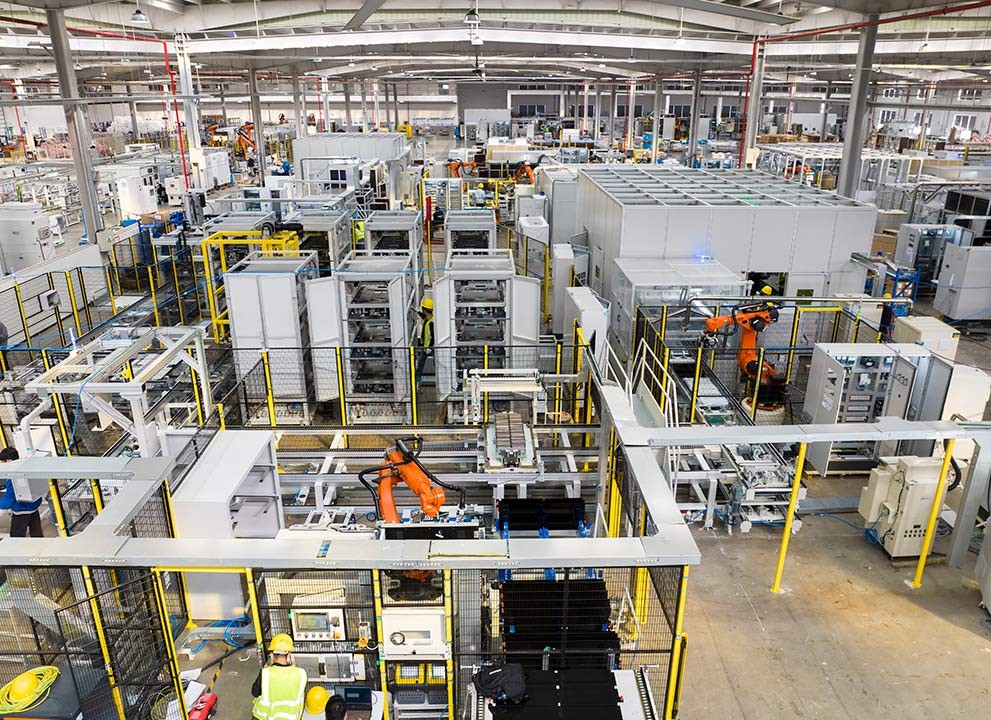
Cell chemistry breakthroughs often grab headlines, yet physical shopfloor orchestration quiet dictates whether gigafactories achieve sustainable yields. Misalignment between adjacent mechanical stations creates bottlenecks, elevates cell scrap rates, and destabilizes thermal integrity across packed enclosures. Advanced battery manufacturing automation bridges hardware gaps, converting isolated processing units into a cohesive, self-correcting manufacturing ecosystem. Harmonizing electrical, mechanical, and software interfaces across every assembly stage ultimately determines how efficiently an energy storage plant converts raw materials into reliable power assets.
Inter-Station Communication and Real-Time Data Flow
Fragmented communication protocols between disparate machines frequently lead to data silos, preventing fast feedback during high-speed runs. Modern battery assembly demands fieldbus systems capable of transmitting deterministic telemetry within sub-millisecond windows. When a vision camera spots a tiny misalignment during cell stacking, downstream gripping units must adjust their orientation vectors before the workpiece arrives.
Industrial IoT gateways translate proprietary machine codes into standardized data streams, allowing central programmable logic controllers to oversee line operations seamlessly. Seamless data exchange allows torque drivers, laser optics, and dispensing needles to adjust their parameters dynamically according to upstream dimensions. Establishing a unified communication fabric protects production lines from cascading operational delays.
Precision Mechanical Transfer and Vibrational Control
Accelerating heavy battery modules between processing stations generates mechanical shocks that jeopardize delicate internal wire bonds. Traditional roller conveyors often subject sensitive components to violent start-stop cycles, increasing micro-crack risks in aluminum busbars. Upgrading to magnetic levitation tracks or servo-driven transfer units smooths velocity curves, preventing physical distortion during rapid positioning steps.
Minimizing physical contact during transport also keeps particulate contamination out of pristine assembly zones. Microscopic metal shavings generated by mechanical wear can penetrate separator films, creating latent internal short circuits. Smooth transport dynamics safeguard structural integrity while protecting sensitive cell chemistries from external environmental hazards.
Integrated Process Engineering in Module and Pack Assembly
Bringing cell sorting, structural bonding, thermal management, and electrical testing into a single continuous loop requires flexible system architecture. Advanced packaging layouts—such as Cell-to-Pack (CTP), blade cell formats, and Cell-to-Chassis (CTC) designs—demand custom handling methods that static lines cannot support. Our engineering group designs custom lines like the FHS power battery module PACK production line, which incorporates versatile assembly platforms capable of processing blade power battery module pack intelligent manufacturing solutions and CTP series architectures on shared lines.
Integrating automated dispensing units directly alongside optical alignment systems ensures structural adhesives spread evenly across cell surfaces. Subsequent high-precision laser stations execute busbar welds immediately after clamp positioning, preventing thermal expansion from shifting joint gaps. Streamlining these intricate steps within unified assembly cells optimizes footprint efficiency while stabilizing throughput metrics.
Automated Quality Gateways and Inline Inspection
Relying exclusively on post-assembly quality audits allows defective units to consume valuable processing capacity downstream. Integrating non-destructive inspection devices directly into processing stations flags out-of-spec components the moment defects occur. High-resolution infrared cameras, ultrasonic sensors, and laser profilers monitor every joint, seal, and surface coating during active production.
Automated rejection mechanisms pull flagged assemblies off main transfer tracks instantly without interrupting overall throughput. Data logged during these inline inspections feeds back into statistical process control models, pinpointing mechanical tool wear before tolerances drift into dangerous territory. Active quality gateways keep scrap costs minimal while protecting overall batch consistency.
Software Synchronization via Digital Twins and MES
Physical machinery represents only half of the integration equation; digital control layers must orchestrate material movements, tool parameters, and maintenance schedules. Manufacturing Execution Systems (MES) link plant-floor hardware directly with enterprise planning software, ensuring full component traceability from raw cell receipt to final pack dispatch. Serializing individual components allows automated systems to track exact laser weld energies and screw torque values for every pack built.
Digital twin software mirrors physical machinery in real time, letting software engineers test line speed modifications virtually before adjusting live production settings. Predictive maintenance algorithms analyze motor currents and thermal signatures, scheduling component swaps during planned maintenance windows. Unifying physical hardware with intelligent digital monitoring builds a resilient production environment capable of sustaining high output.
Holistic Integration as a Catalyst for Operational Success
Synchronizing machinery across complex assembly lines transforms isolated hardware units into an agile, highly productive manufacturing asset. Eliminating physical transfer shocks, standardizing data flows, and implementing inline quality checks allows gigafactories to scale throughput without compromising structural integrity. Scaling Battery Production efficiently relies on establishing seamless cohesion between mechanical tooling, software analytics, and adaptive motion controls.
Future-proofing energy storage manufacturing requires a fundamental commitment to continuous hardware and digital integration. Partnering with experienced system integrators gives factory operators the technical tools necessary to navigate evolving battery architectures cleanly. Modern industrial facilities ultimately depend on integrated battery manufacturing automation to turn ambitious production targets into long-term commercial success.

Public Relations Officer
Miss Zeng
 info@ksfhs.com