Company News
2026/06/15
Bridging the Virtual and Physical Worlds | FHS Group Redefines Intelligent Production Line Delivery through Virtual Commissioning
15
2026/06/
As manufacturers worldwide accelerate their digital transformation, improving the efficiency, quality, and predictability of production line delivery has become one of the industry’s greatest challenges. As a leading provider of intelligent automation solutions, FHS Group has embraced virtual commissioning and simulation technologies to pioneer a new delivery methodology that seamlessly integrates the virtual and physical worlds.
Shorter Delivery Cycles: From On-site Debugging to Virtual Validation
In traditional project execution, commissioning teams often face critical bottlenecks on the factory floor: equipment arrives only for electrical programs to require sudden modifications, or mechanical installation reveals interferences between robot trajectories and peripheral hardware. Each late-stage issue inevitably leads to project delays and soaring costs.
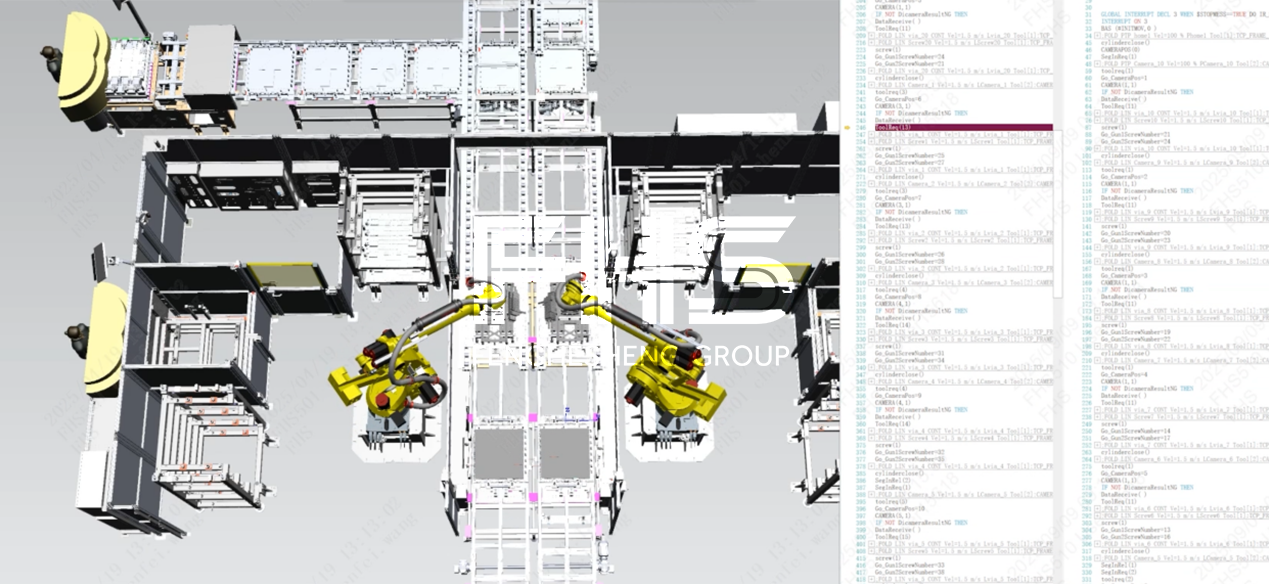
The introduction of virtual commissioning has fundamentally transformed the commissioning workflow. During the equipment manufacturing phase, the FHS simulation team builds a comprehensive virtual model of the entire production line. By importing actual or equivalent electrical control logic, the team conducts extensive Software-in-the-Loop (SiL) simulation tests. While the physical hardware is still being assembled on manufacturing facility, the line’s logic sequences, cycle times, and signal interactions have already run successfully hundreds of times in a virtual environment.Once the equipment arrives at the client's site, our electrical engineering team only needs to connect signals and fine-tune parameters. This approach reduces on-site commissioning time by nearly 40%. For our clients, this translates to faster deployments and minimal site issues—a direct reflection of our technical value.
Mitigating Quality Risks: Resolving Issues at the Design Stage
The greatest risk in complex line integration does not typically stem from an isolated technical challenge, but rather from the cascading compatibility issues between various subsystems and equipment. A variance in any single element, whether mechanical, electrical, process or robotics, can prevent the entire line from reaching its designated capacity.
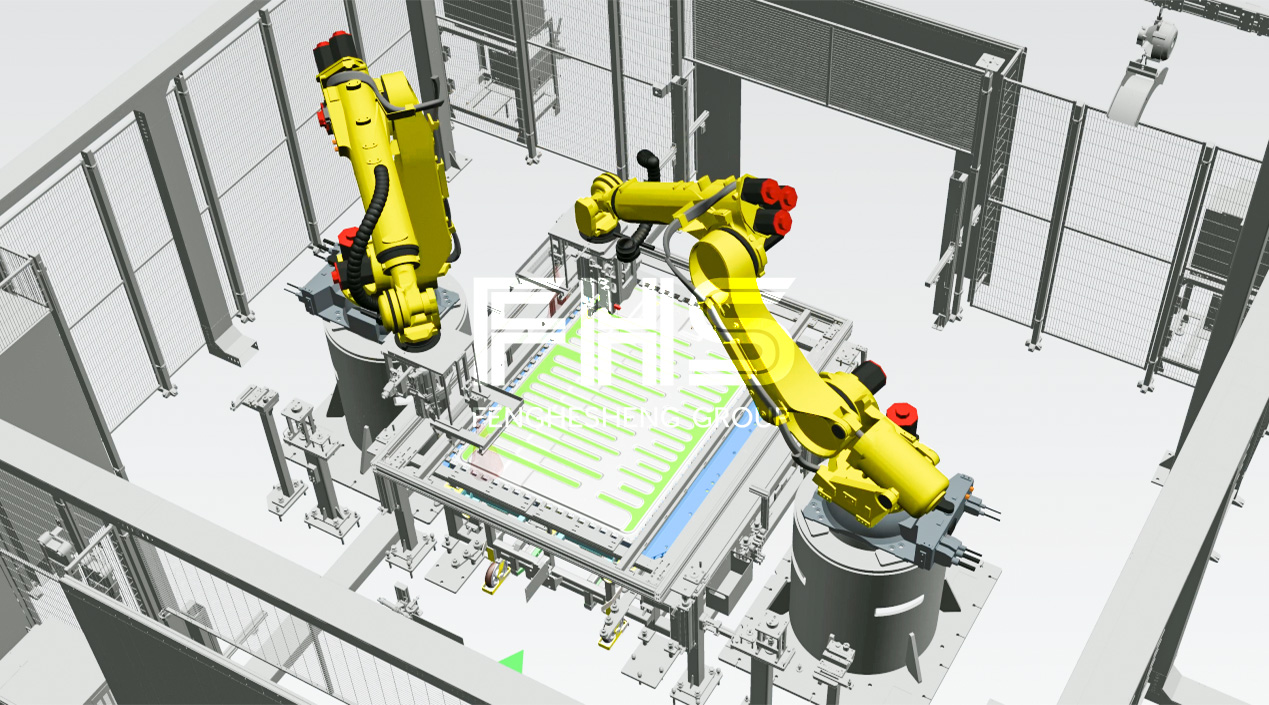
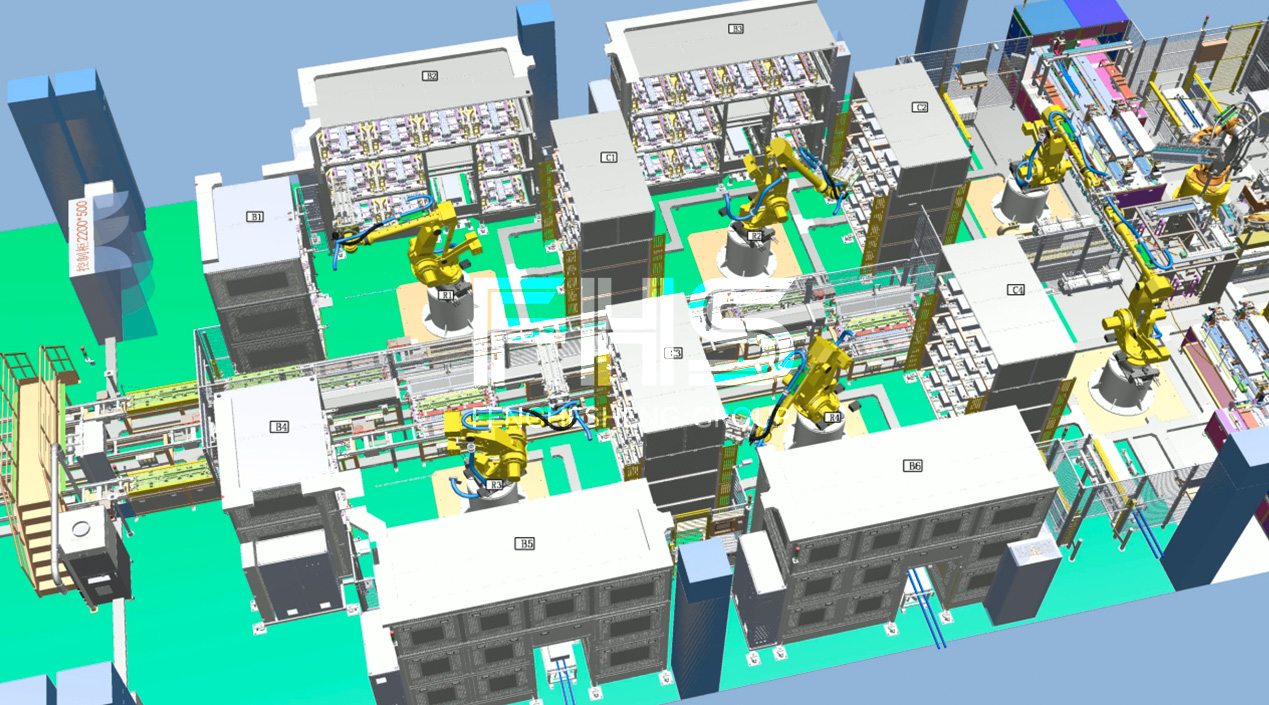
Across FHS Group's high-quality global projects, virtual commissioning serves as a critical quality assurance layer. By constructing complete Digital Twin models, we conduct multi-dimensional verifications of mechanical reachability, equipment interference, cycle-time matching, and sensor logic within a virtual space.
Project experience has consistently demonstrated that virtual simulation achieves true error-proofing and risk front-loading. For instance, in a past project, simulation revealed that a robot at a specific station had a trajectory dead zone due to peripheral layout constraints. Had the equipment been installed as originally designed, it would have failed to execute the required movements on-site.
Because our simulation team caught this early and looped back to the mechanical design team for immediate adjustments, we significantly reduced the risks of on-site rework, modifications, or scrapped hardware. This not only saved the client substantial modification costs but also secured project schedule certainty, improving project predictability and execution certainty.
Enhancing Cross-Functional Collaboration: Unifying Cross-Functional Expertise
An FHS project delivery team comprises diverse core departments, including project management, mechanical design, electrical engineering, quality control, and manufacturing. Traditionally, data exchange across these teams relied heavily on offline communication and manual blueprint transfers. This often led to unsynchronized information, poor change traceability, and high internal coordination costs.
Virtual commissioning has driven the creation of a more standardized and efficient collaboration mechanism. We have established standardized signal mapping protocols, lightweight model criteria, and interface document templates.
* Every mechanical design modification is instantly updated in the virtual model.
* Every electrical program revision is rapidly validated in the simulation environment to assess its upstream and downstream impacts.
Breaking down data silos enables cross-functional teams to collaborate more efficiently and execute projects with greater consistency.. At FHS Group, we develop not just advanced technology, but a proven methodology that optimizes our internal operations for client success.
Building Digital Assets: Creating Long-Tail Value Across the Full Lifecycle
The value of FHS virtual commissioning extends far beyond the day of project hand-off.
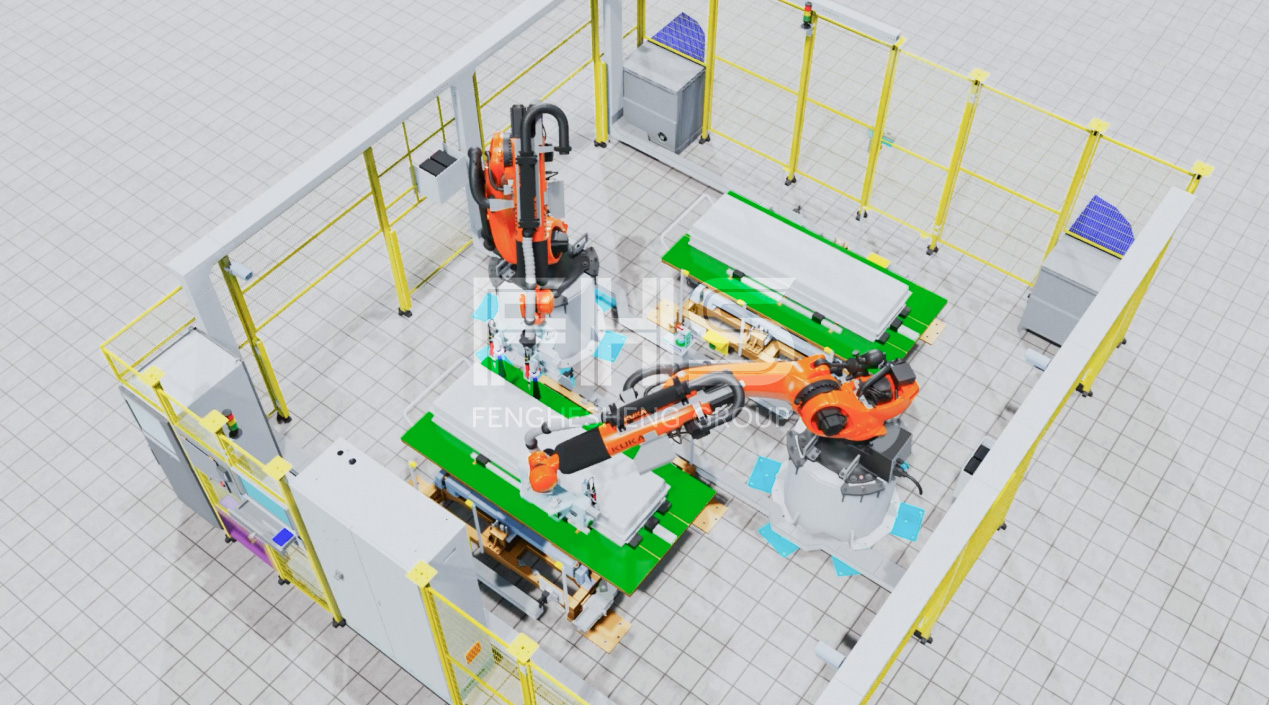
Once a production line undergoes comprehensive virtual validation and commissioning, it results in a living digital twin of the physical production line. Post-delivery, this digital twin continues to deliver immense operational value for the client:
* Accelerated Onboarding: Operators can familiarize themselves with the equipment and controls in a risk-free virtual environment without interrupting live production.
* Remote Diagnostics: If an issue occurs on the floor, engineers can replicate the problem within the virtual model to predict causes and accelerate troubleshooting.
* Rapid Changeovers: When production processes need adjustment, engineers can validate feasibility virtually before investing in physical modifications.
This "invest once, reuse continuously" capability is a core reason global leaders choose deep strategic partnerships with FHS Group. We don't just deliver a high-performing production line; we help clients secure a reusable digital asset that delivers long-term value throughout the asset lifecycle.
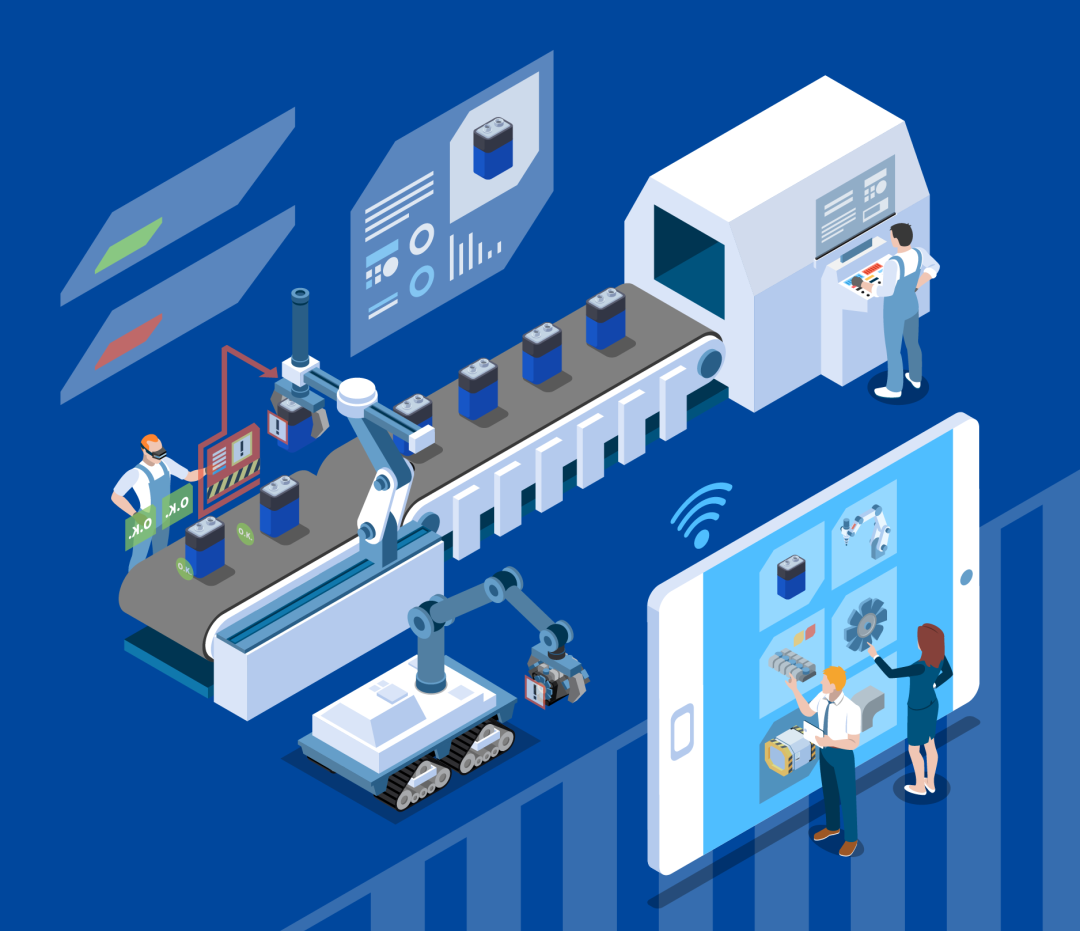
Across hundreds of high-quality project deliveries executed by FHS Group, virtual commissioning has evolved from a premium option into an indispensable capability for large-scale, complex production lines. It delivers more than just shortened timelines, reduced costs, and mitigated risks—it represents a fundamental upgrade in delivery methodology, transforming unpredictable on-site commissioning into a predictable, virtually verified process.
Moving forward, FHS Group remains strictly customer-centric. We will continue to deepen our expertise in Digital Twin and virtual simulation technologies, refine our virtual-physical integrated delivery framework, and ensure that every delivery we execute is exceptionally reliable and highly efficient.
By seamlessly integrating the virtual and physical worlds, FHS Group is helping shape the future of intelligent manufacturing—one reliable delivery at a time.

Public Relations Officer
Miss Zeng
 info@ksfhs.com